
Conkering the Laundry Pile
- and a recipe for Homemade Laundry Liquid

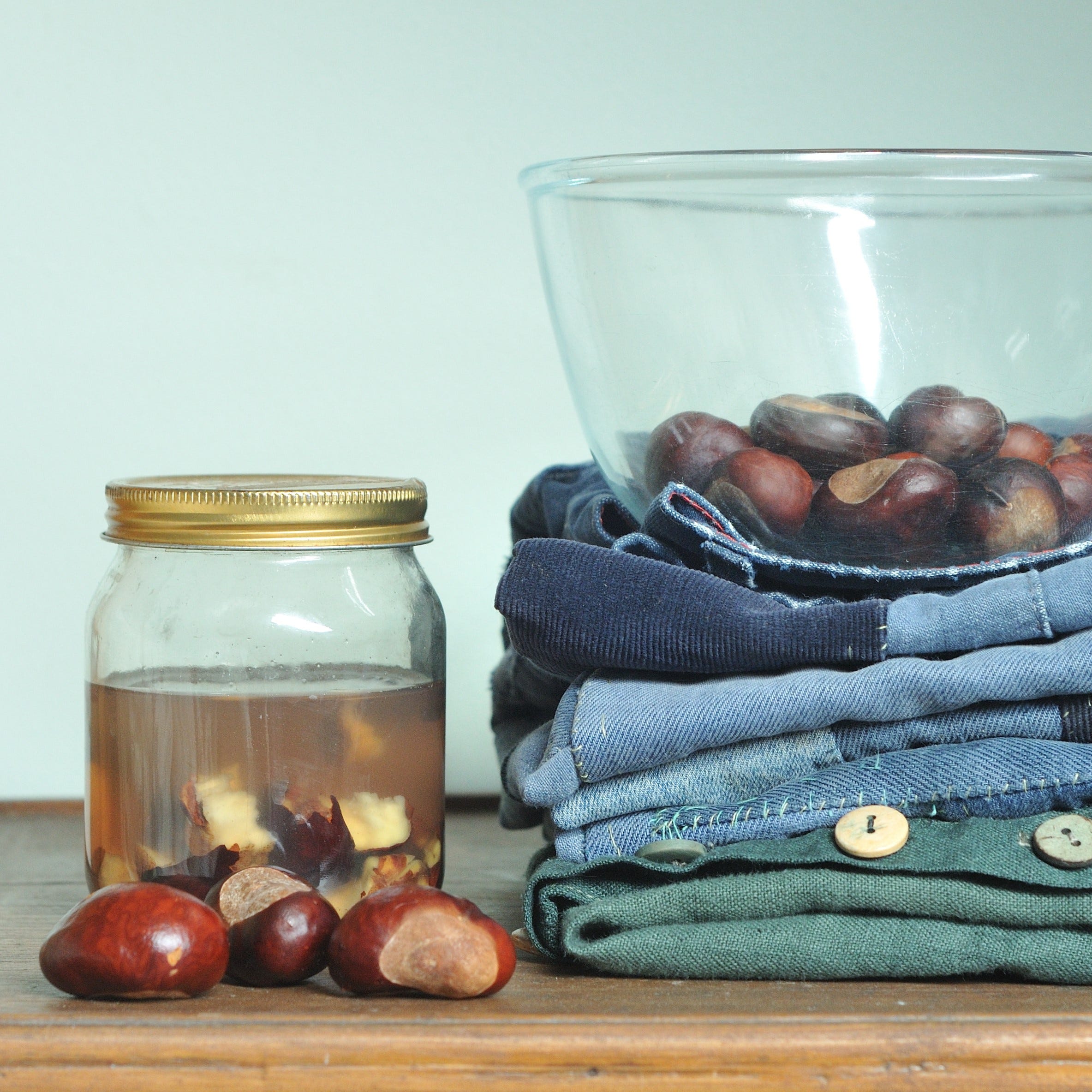
Growing up a few miles inland, I have to admit that I didn’t give much thought to what went down the drain. It all just went to the magical land of “away”, right?! However, since moving to within a stone’s throw of the sea – and having a livelihood that relies on the cleanliness of the water – it is something I am much more aware of. Everything I put down the plughole will, sooner or later, end up in the ocean. That is the sort of thought that can cause me to wake up in a cold sweat, and can keep me awake for hours! In an attempt to avoid that situation, I try to be as careful as possible with what cleaning products I use in my home.
Finding eco-friendly products can sometimes be a bit of a minefield – there is a LOT of greenwashing going on out there in the advertising world - and often it can be easier to just make your own. One cleaning product I make myself is laundry liquid. No matter what else is going on in the world, laundry is a constant. The washing basket will reliably fill up with dirty clothes every couple of days! I make my laundry liquid from conkers – the seeds of the Horse Chestnut tree (Aesculus hippocastanum).
Horse Chestnuts aren’t native to the UK – they were introduced from Turkey in the 16th century. The trees are easily identifiable: they have pointed leaves arranged in groups of 5-7 in a hand-shape at the end of a single stalk; tall “candles” of pinkish-white flowers in spring; and in autumn shiny brown conkers in tough cases of varying degrees of spikiness. There are some closely-related species in North America known as Buckeyes.
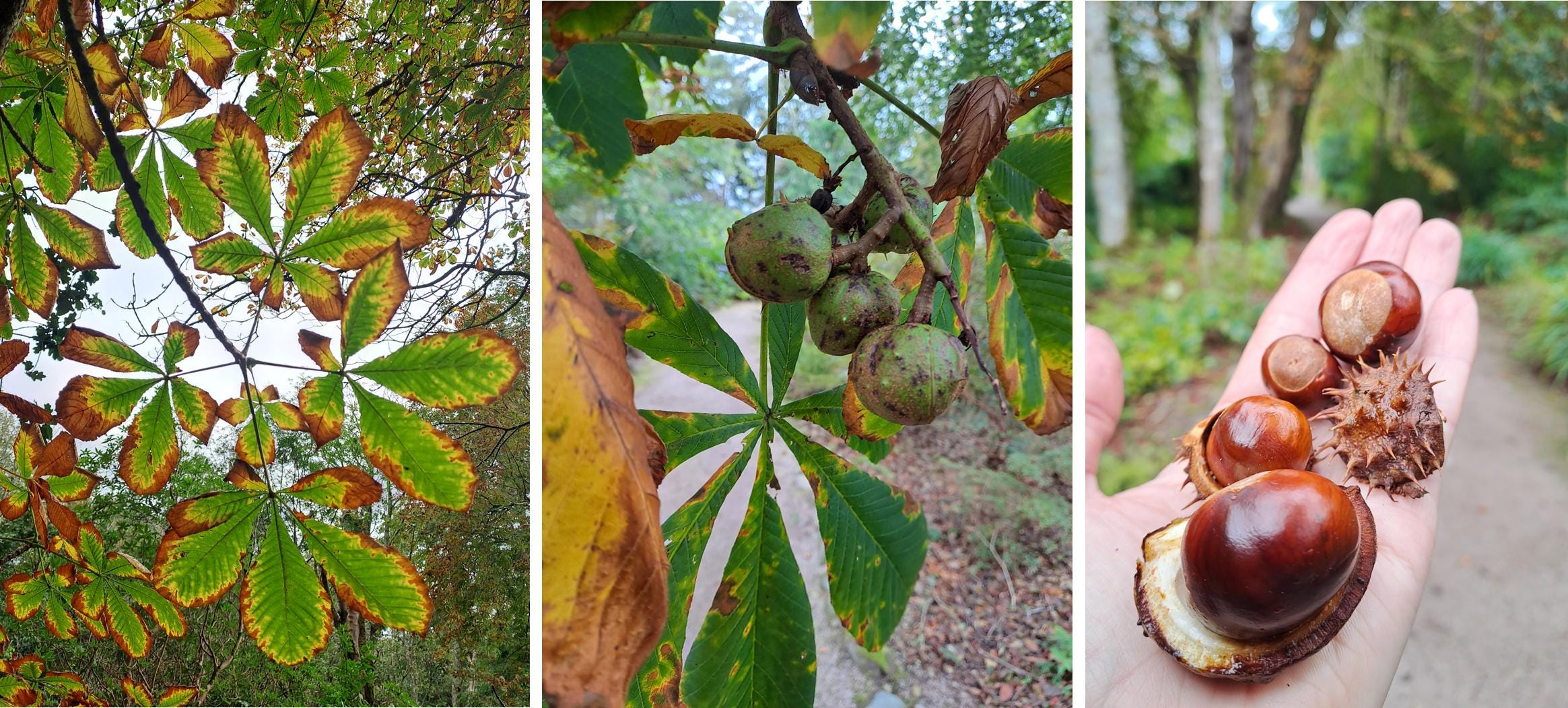
Horse Chestnuts belong to the family Sapindacea, also known as the soapberry family. The conkers contain saponins (from the Latin word sapon, meaning soap), which as the name suggests are soap-like, bitter-tasting, usually toxic organic chemicals that become foamy when agitated in water. There are several big Horse Chestnut trees within a half-mile or so of my house, and in autumn the ground is always covered with fallen conkers. It doesn’t take long to collect enough for a year’s supply of laundry liquid. They aren’t a major food source for any wildlife here: in other parts of the country deer may eat the conkers, but as they don’t live on the island I don’t feel bad about collecting a bag of them every year. Unlike the unrelated Sweet Chestnut, Horse Chestnuts are not suitable for human consumption.
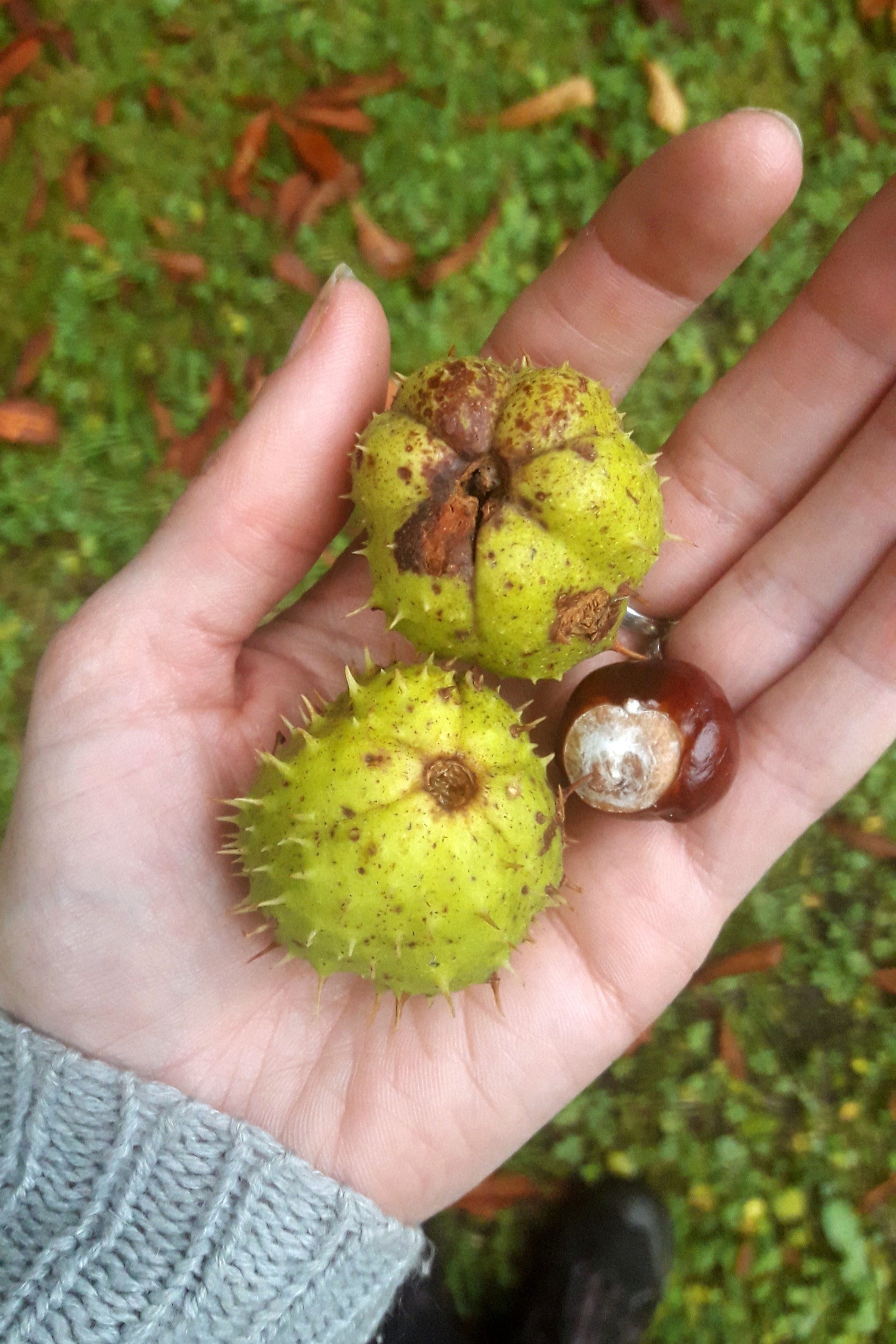
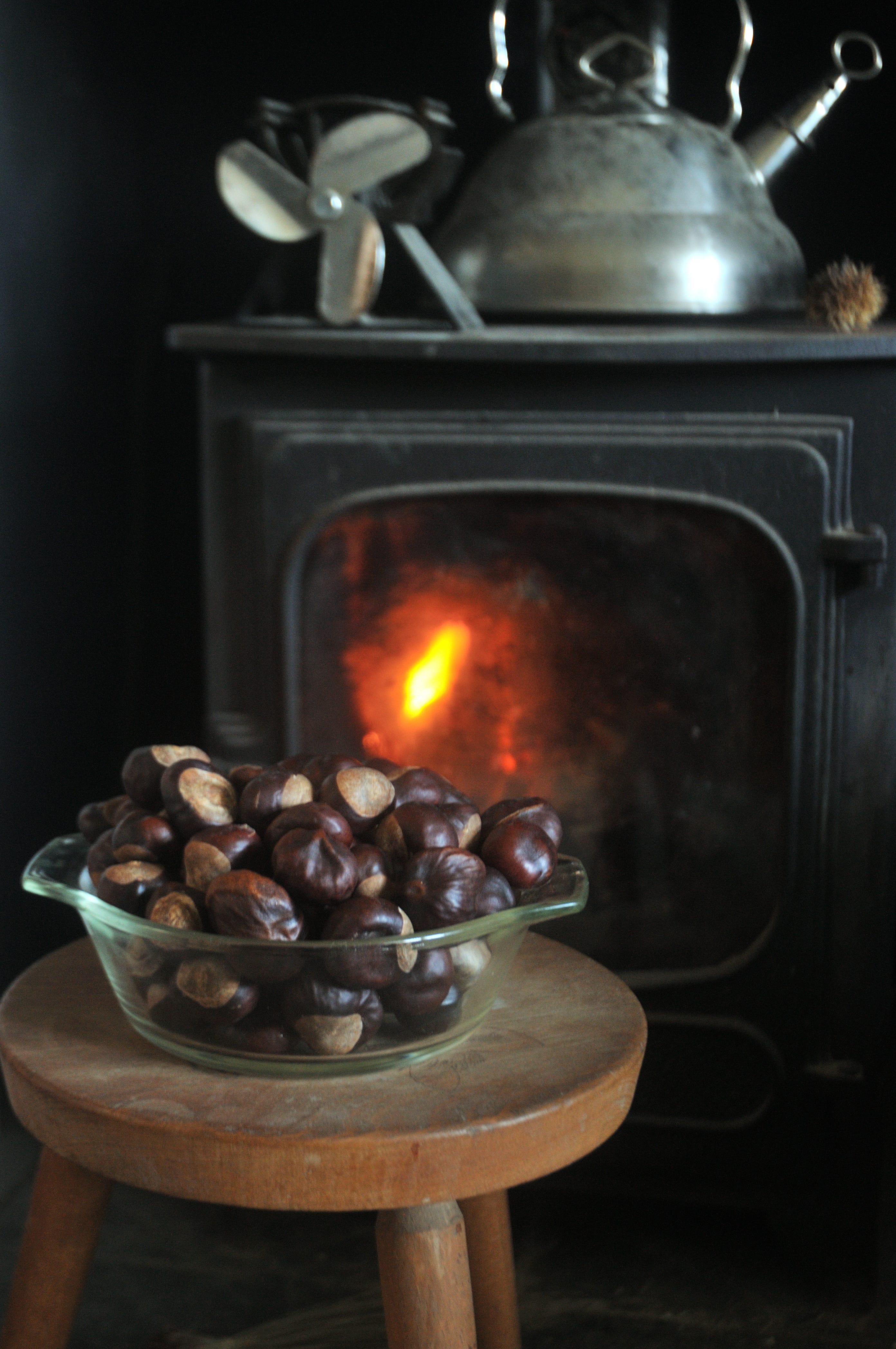
If you want to make your own laundry liquid, then stage one is to go for a nice woodland walk and collect some conkers! Personally I find it pretty hard NOT to come home with at least a few conkers in my pockets - they are just irresistibly smooth and shiny. When you get your conkers back home, the first thing to do is remove the spiky outer casing and gently dry out the inner conker. I do this in a bowl in front of the stove. This is to stop them from going mouldy over the next few months, before I’ve got round to using them all. If you want to, you can chop all the conkers into little pieces with a knife (they can be a bit too tough to chop in a blender) before drying them out in a dehydrator or low oven, but I prefer to store them whole and just do the chopping stage as and when I need to.
To make the laundry liquid:
🌰 Roughly chop 4 or 5 conkers. If they’re fresh you could use a knife; if they’re dried I use a nutcracker to crush them.
🌰 Put the pieces into a jar and cover with about half a cup of just-boiled water.
🌰 Leave to soak for a couple of hours or overnight. Smaller pieces will need less soaking time.
🌰 Give the jar a shake and strain out the liquid – it should look cloudy/milky, and be a bit foamy after you’ve shaken it.
🌰 Use the liquid in your washing machine, and compost the conker pieces.
I find this liquid works well for everyday cleaning, although extra-grubby things sometimes need a soak in oxygen (or “green”) bleach (Sodium percarbonate) before going into the washing machine. I recently read that it’s thought the Vikings may have made soap from crushed, soaked conkers – if it’s good enough for them, it’s good enough for me!
Here are a few other ways you can make laundry day a bit more sustainable:
- Wash at a lower temperature. A lot of dirt will come off just fine in cold water.
- Fill – but don’t overfill! – your washing machine.
- Reduce the spin cycle – very fast spin cycles can cause clothes to deteriorate faster. This one only really works if you’re then going to air-dry; if you’re going to use a tumble-drier then it’s more efficient to get as much moisture out as possible during the spin cycle.
- Skip the tumble dryer – air-dry on a washing line or clothes horse if possible.
- Give items a good shake before hanging them up to dry. This can get rid of creases and cut down on the ironing.
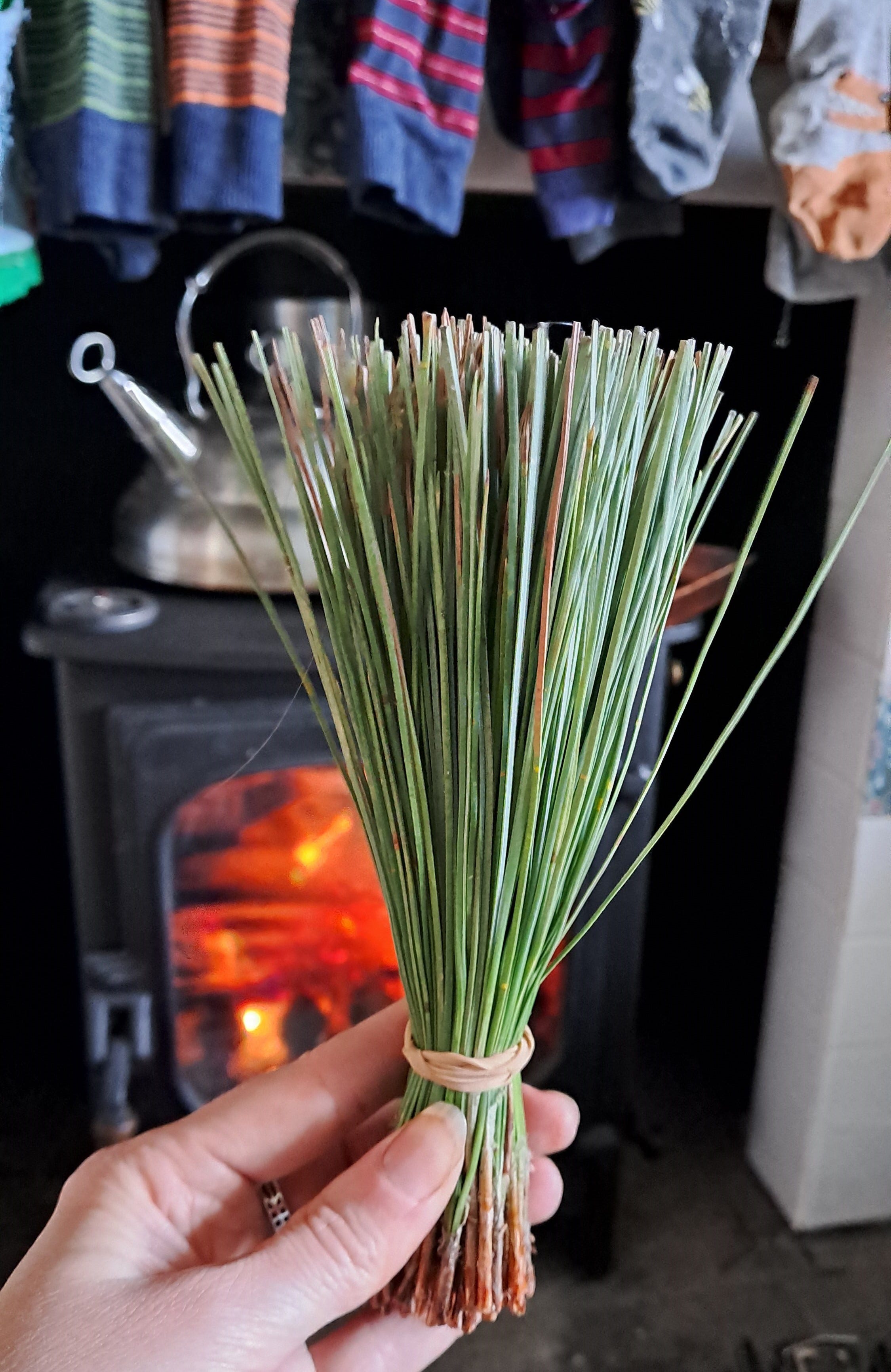
And while we’re on the subject of eco-cleaning, did you know that a bunch of needles from a Montezuma Pine tree and an elastic band make an excellent little brush? I use this one to sweep the hearth, and when the needles get too dry and start to fall apart I’ll simply compost them and collect some more.
Thanks for reading, and have a good weekend x
Posts here are always going to be free, but if you like what I write and/or find it useful, I’ve added a ko-fi button below if you want to show your appreciation. Thank you to everyone who has already contributed! xx
What a great, natural solution (heh heh) for laundry! Thank you for sharing!
On my way to go find some needles to make a brush! Cat, this is lovely and unlocked a memory for me: when we lived in Poland, we must've had a horse chestnut tree in our yard because I vividly remember playing with them, both in spiky and smooth form.