
The Puddock
Or, The less-photogenic side of sustainable living

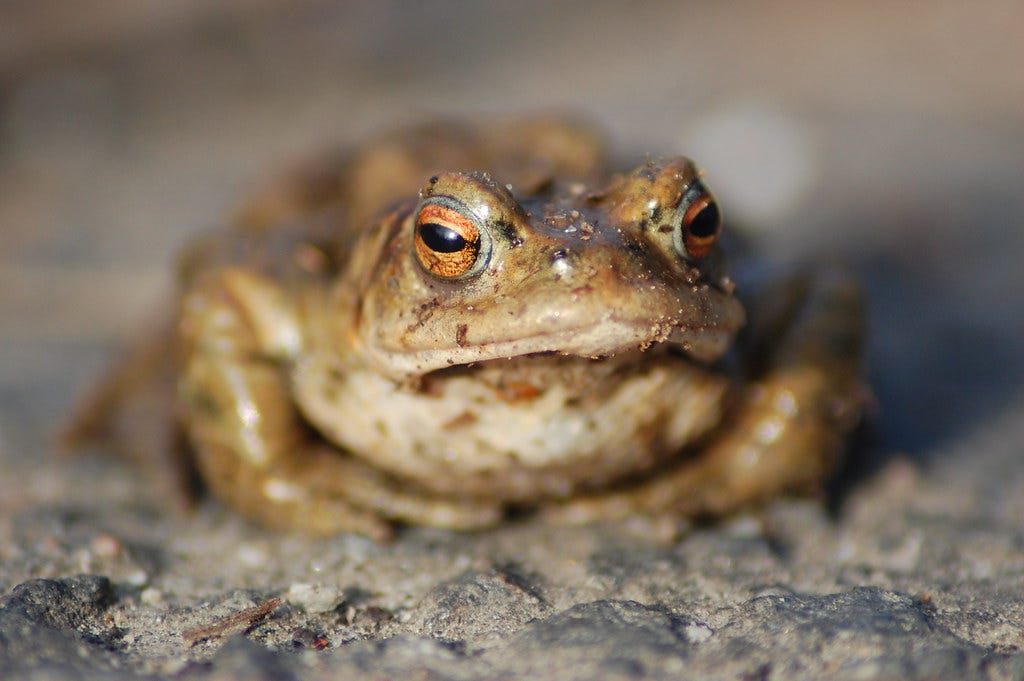
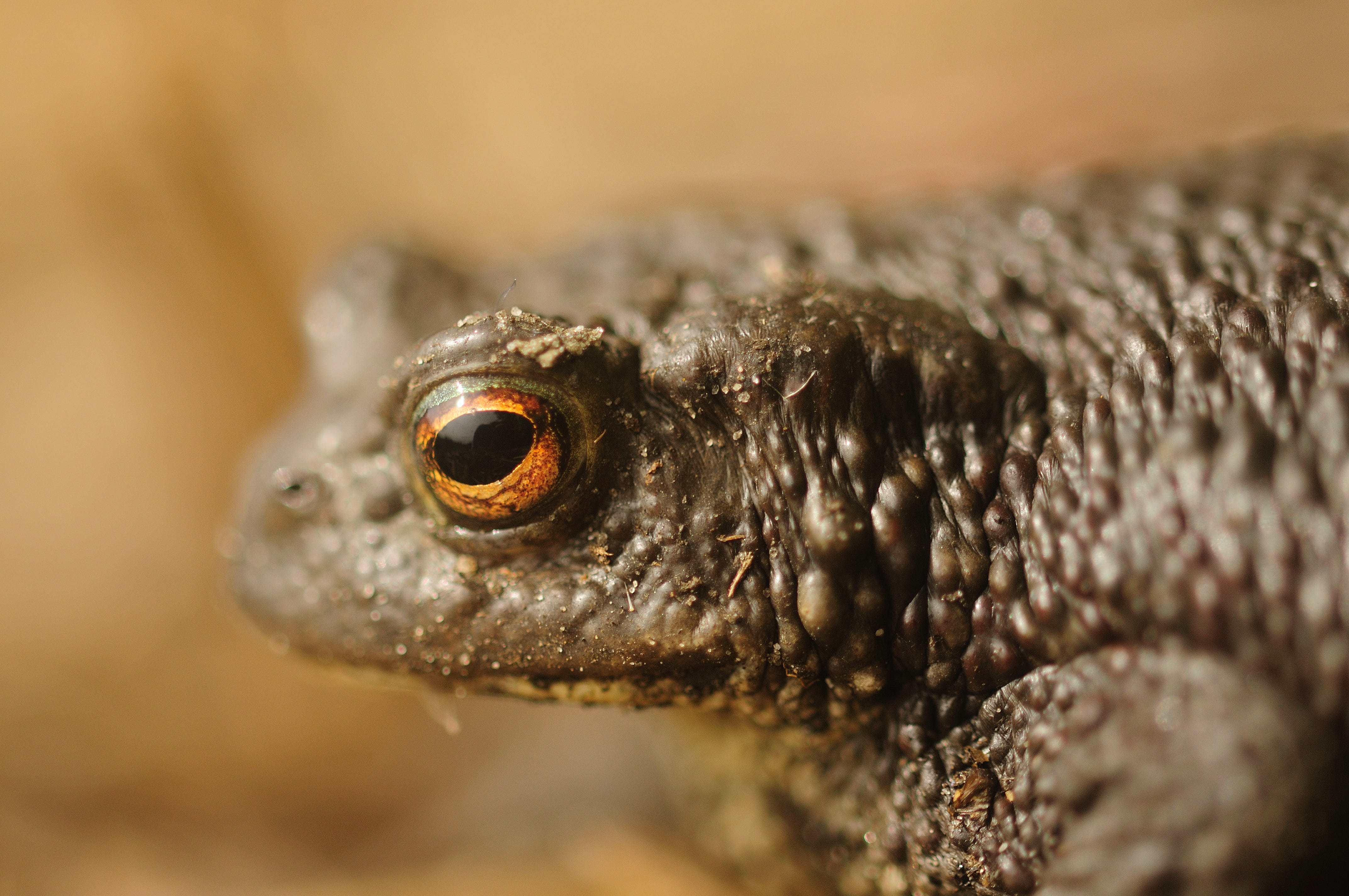
(Before we begin, “Puddock” is a Scottish word for a toad or frog. In this case, it was a Common Toad, Bufo bufo.)
I almost peed on a puddock recently. We made eye contact as I was perched precariously on top of the compost pile in the garden with my jeans pulled down around my knees – I’m not sure which one of us was more surprised! I said “Oh! Excuse me!” and finished what I was doing, then we went our separate ways and carried on with our days.
I think I will file this encounter under the heading “The less-photogenic side of sustainable living”.
You may be wondering why I was peeing on the compost pile, and I feel the need to explain! There are actually a couple of reasons why I do this, and the first is that it saves water. I know I live on the wet west coast of Scotland where water shortages aren’t generally an issue, but I’ve never been particularly comfortable with flushing away gallons of perfectly good drinking water every day. It takes energy and chemicals to make that water drinkable, and it just seems incredibly wasteful.
The second reason is that urine – also known as “liquid gold” – is a great source of nutrients. According to ‘The Milkwood Permaculture Living Handbook’ by Kirsten Bradley, one person’s urine contains all the nutrients needed to grow an ongoing supply of food for one adult! Urine contains nitrogen, phosphorous and potassium, all of which are needed for plant growth, so adding it to the compost pile is an easy way to get these nutrients into your garden. Peeing on the compost heap can help speed up the decomposition process, as the high nitrogen content acts as a compost activator. It also adds moisture to a dry heap, so the bacteria and fungi that do the breaking down can work more effectively. During the dry spell we’d been having until recently, my damp compost pile seemed to be a great habitat for puddocks!
So let’s just go back to puddocks for a moment now, or rather, the African Clawed Frog Xenopus laevis. Between the 1930s and 1960s, these frogs were used as pregnancy tests! British scientist Lancelot Hogben and his colleague Charles Bellerby discovered that if they injected the frogs with the urine of a pregnant woman, within 5 to 12 hours, the frog would lay eggs. The results were reliable; if the woman wasn’t pregnant, no eggs would be laid. The frogs could live for up to 30 years in captivity, and be “re-used” many times, since the test didn’t kill them. However as chemical tests were developed, the use of frogs was slowly abandoned.
Now that’s enough pee and puddocks for one day, don’t you think?!
Posts here are always going to be free, but if you like what I write and find it useful, I’ve added a ko-fi button below if you want to show your appreciation.
Very interesting! It beats me how scientists came up with the frog pregnancy test in the first place! I find toads very photogenic, btw :-). Oh, and from now on I will encourage my husband to pee on our compost. Great tip!
Thank you for telling, Cat. I learned new things today that I will use in the near future :-)