

Garden Pest Control
- some natural solutions

There’s a saying that goes something along the lines of “If your garden isn’t being eaten by something, then it’s not part of the ecosystem”. While I very much DO want my garden to be a thriving part of the ecosystem, there is definitely a limit to how much of my produce I am willing to sacrifice to the local wildlife! After all, the reason I grow fruit and vegetables in the first place is so I can provide fresh, healthy food for myself and my family.
When you notice an infestation of caterpillars on your cabbages, or your lettuce has been decimated by slugs, it can be easy to reach for a chemical solution. Insecticides and pesticides are widely available in garden centres, and clever marketing can make them seem essential for your garden. While they may provide a short-term solution to the problem, they can have wider and longer-lasting negative effects on non-target species and the health of the environment as a whole.
The widespread use of the insecticide DDT and the subsequent collapse of many bird populations further up the food chain is probably one of the most well-known examples of this.
But don’t worry; there are lots of things you can do to help control the pests in your garden, without resorting to toxic chemicals.
Below I have shared a few of the different things I do to ensure that I’m the one eating most of my crops. You’ll notice that these aren’t generally instant fixes, but instead are more long-term solutions. (If you’re into permaculture, many of them are examples of the principle Use small and slow solutions.) Several of them required a bit of effort to begin with, but I definitely believe it is worth it in the long run to have a more balanced ecosystem in my garden where nature will help to keep things in check.
I wasn’t sure whether to arrange these by problem or solution, but settled on solutions as often several issues can be solved by a single solution. So, let’s get started!
- Dig a Pond
This may be the single best thing you can do in your garden. By digging a pond, you will encourage all sorts of beneficial creatures into your garden. Frogs, toads and newts may breed in it, and then spend the rest of the year pootling around your garden munching on slugs and snails. Outwith the breeding season, I find toads in all sorts of places all over my garden: in the vegetable beds, the polytunnel, the compost pile (this last one comes with its own set of hazards for the toads!)...
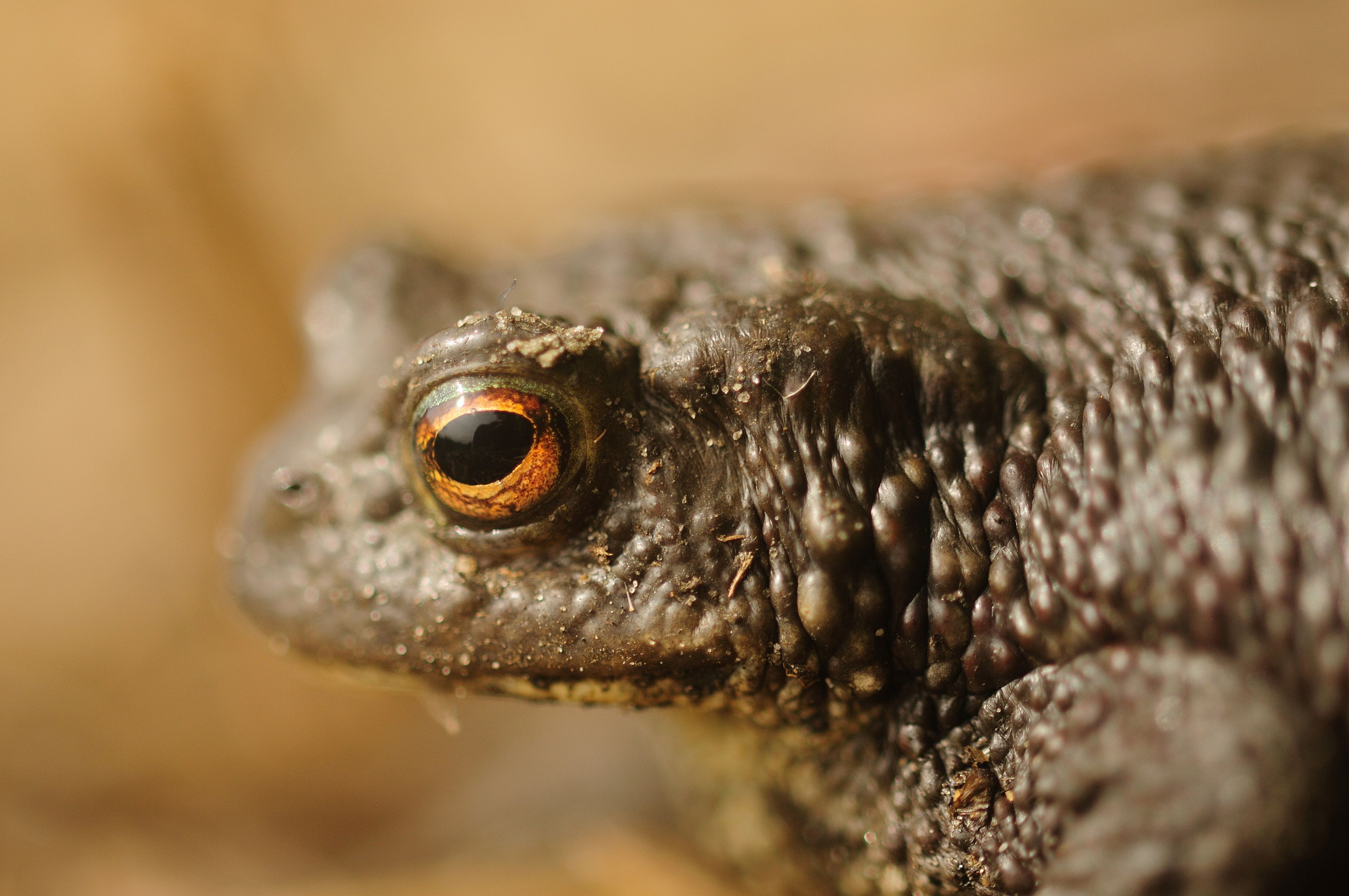
A pond will also provide a source of drinking water for birds, and mammals such as hedgehogs which again eat slugs and snails. In my opinion, anything that eats slugs should be welcomed! Slugs and snails are my main garden pests – I live in a relatively damp climate with mild winters that often don’t kill them off, so numbers can build up quickly.
- Ditch the Wooden Bed Edging
When I first moved into my house and converted an area of the lawn into vegetable beds, I scavenged some second-hand planks of wood and put a nice neat edging around all my new beds. Well, it was nice and neat for a while, until the wood started to rot and the weeds grew right up against it and were impossible to dig out. This weedy, damp, decomposing wood created a perfect habitat for slugs and snails, right next to my vegetables. The moment my back was turned, they’d be out there munching away!
I finally removed the wooden edges last year, which meant there was nowhere for them to hide right next to the beds. I noticed a decrease in munching activity straight away, and this year, there also seems to be less damage to seedlings than when I had the wooden edges there. My vegetable beds now just go right up to the woodchip paths.
- Plant Hedges and Trees, and Put up Nest Boxes
These will encourage birds into the garden. Hedges and trees provide habitat and nesting opportunities for all sorts of different bird species, many of whom are insectivorous and will happily pick little beasties off plants, without actually damaging the plants. Song Thrushes feast on snails, and crack them open by bashing them against stones. According to birdsology.com, “By consuming larvae, slugs, and snails, Song Thrushes naturally regulate pest populations. In agricultural zones, their presence can reduce the need for chemical pesticides, especially against leaf-eating caterpillars.”1
A couple of days ago I spotted a pair of Blue Tits popping in and out of the nest box on the end of our shed, with beakfuls of caterpillars. Blue Tit clutches can often contain ten eggs, and the chicks can eat up to 100 caterpillars a day. That’s a lot of caterpillars that are no longer eating my brassicas!
- Physical Barriers
Okay, I know I’ve just been encouraging birds into the garden, and while it’s great to have insectivorous ones, some species do like to eat fruit. To stop them eating all my harvest I put nets on a couple of my biggest blackcurrant and gooseberry bushes, but leave the rest unprotected. Because a lot of my hedging plants and trees produce berries (hawthorn, rowan etc) there is plenty of other food for the birds to eat, so they often don’t actually bother with my other fruit bushes.
To protect against slugs and snails I’ve also had some success with making a barrier of crushed eggshells around newly-planted seedlings. The eggshells provide a sharp, scratchy surface that slugs and snails seem unwilling to crawl over. The woodchip paths that I mentioned earlier work in the same way, and slow down the travel of slugs and snails between the beds.
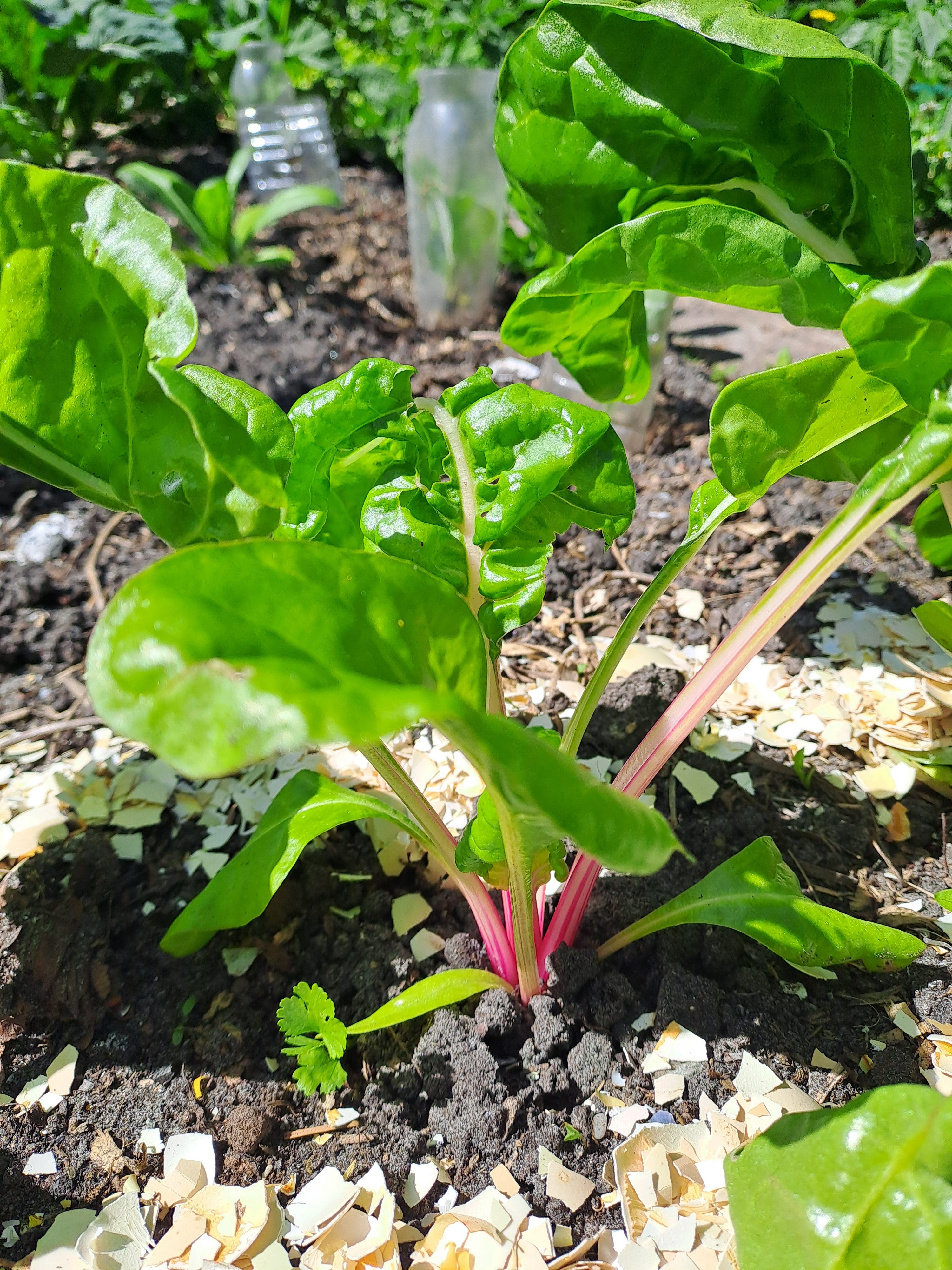
Another physical barrier that I’ve found to work well is putting plastic drinks bottles – with the bottoms cut off – over seedlings like a mini cloche. This makes it difficult for the slugs to get in, and has the added benefit of providing a bit of protection from the elements. You can see some of these in action in the background of the photo above.
You can buy “cabbage collars” to put around brassicas to prevent the Cabbage Root Fly laying eggs in the soil at the base of the plants. Instead of spending money, I make my own collars from cardboard to protect my brassicas. Over time the cardboard decomposes into the soil, but by then the danger has passed.
- Wait for Wasps
I’m sure we’re all familiar with the black-and-yellow striped Common Wasp (Vespula vulgaris) – you know, the one that can detect a picnic from miles away and will head straight for your jam sandwiches – but did you know there are actually over 7000 species of wasps found in Britain and Ireland? Of these, over 6500 are parasitic.
One particular species, Cotesia glomerata, often parasitises the caterpillars of the Large and Small White butterflies. These butterflies are collectively known as the Cabbage Whites, and for good reason: they like to lay their eggs on brassicas. Sometimes a plant can become completely infested with their caterpillars. I know I could pick them off and squish them, but I like having butterflies in my garden so instead I leave them alone (no caterpillars = no butterflies, of course!). I prefer to wait for the wasps to arrive.
Cotesia glomerata wasps inject their eggs into Cabbage White caterpillars, and after hatching the larvae eat the caterpillar from the inside out. They then burst out, pupate in yellow silken cocoons next to the body of the caterpillar, before emerging as wasps and starting the cycle all over again. The wasps don’t have it all their own way: in turn, they are sometimes parasitised by another wasp species, Lysibia nana, which inject their eggs through the caterpillar and into the wasp larvae inside2. It’s not pleasant, I know, but isn’t nature amazing?! Enough caterpillars always avoid being wasped and make it to butterfly-hood to continue the population.


I have a slightly different opinion when it comes to Gooseberry Sawfly: I pick off and squidge any that I spot, and leave the rest to be dealt with by their particular species of parasitic wasp. Over the years I have noticed a gradual decrease in sawfly damage and am hoping that one day I’ll get to the stage when there are enough wasps to keep them under control without any intervention from me.
- Companion Planting
Companion planting involves planting a number of different plants in close proximity, to the benefit of some or all of the plants involved. Perhaps the most well-know example is the “Three Sisters” – the traditional growing together of squash, beans, and corn. The corn provides a support for the beans to grow up, the beans fix nitrogen into the soil, and the squash acts as a living mulch and suppresses weeds.
Companion planting can be used to protect your crops from pests, either by providing a more attractive food source, or by confusing the pests with smells. For example, the Cabbage White butterflies mentioned above are equally keen to lay their eggs on Nasturtiums, so I always have some of them growing near to my brassicas.
A single ladybird can eat up to 5000 aphids during its lifetime. Adults also feed on nectar and pollen. Umbellifers such as dill, fennel and cow parsley are among their favourites so by planting these flowers I hope to attract them into my garden, where hopefully they will stay and breed and help control aphids. (While not directly related to pest control, planting flowers amongst food crops such as tomatoes can attract pollinators and help to increase yield.)
Planting onions and carrots next to each other is beneficial to both of them: the conflicting smells confuse and deter both the carrot fly and the onion fly, helping to protect both of your crops. Many species of herbs have strong smells and can be useful deterrents of insect pests, if planted in amongst your crops.
Here are a few other things that deserve a quick mention:
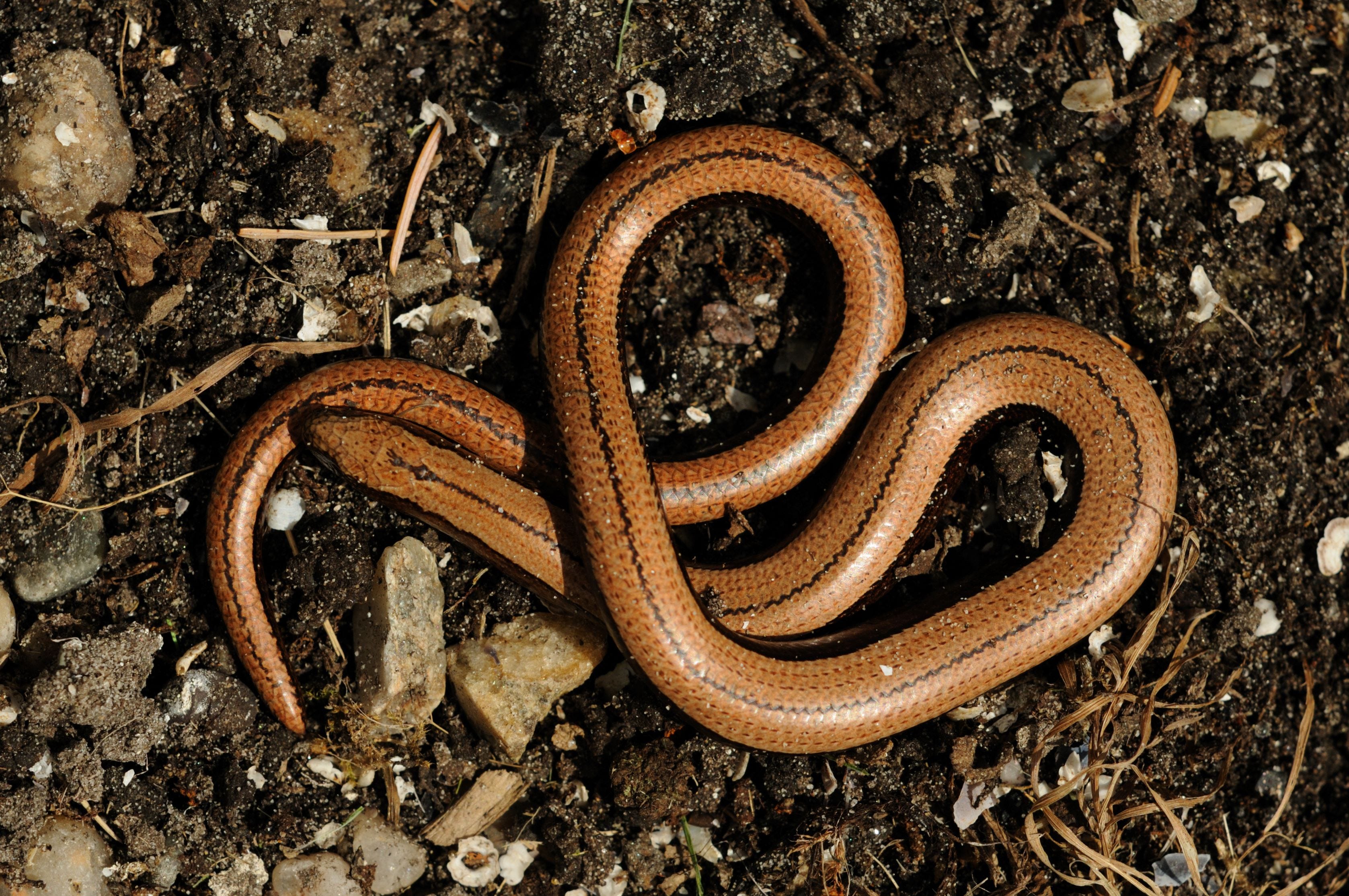
I have an additional compost pile in a corner of the garden that I leave undisturbed. It has become a Slow-worm habitat, and since Slow-worms eat slugs, they are very welcome.
My ducks are let through to the vegetable garden occasionally for supervised slug-munching patrols.
I have two cats who keep the local vole population on their toes, preventing them from causing too much damage. Rabbits also stay a safe distance away so I don’t have to worry about them digging holes everywhere or nibbling my lettuces.
As I said earlier, none of these are particularly quick fixes. They will result in a small amount of crop loss as predator populations build up, but this isn’t necessarily a bad thing. As David Holmgren says in Retrosuburbia, “Besides providing a food source for the predators, permaculture educator Beck Lowe speculates that having a small population of invertebrate pests in the garden may also provide human health benefits. Plants produce a range of phytochemicals when they are attacked, thus a few holes in a vegetable may be an indicator of a wider range of nutrients available to the human consumer.”3
Finally, it’s worth remembering that plants that are healthy and thriving are less likely to be attacked by pests in the first place. Healthy plants need healthy soil, so it is always a good idea to try to build high-quality soil by adding things like homemade compost, seaweed, and good-quality animal manure. And of course, stay away from any toxic chemicals that may upset the delicate balance of microbiota living in the soil.
I’d love to hear if anyone has any other natural ways of controlling the pests in their gardens; please let me know in the comments below. As is always the case, I’m sure I’ll think of several more things approximately twelve seconds after I press the “send” button…!
Thanks for reading, and have a good weekend.
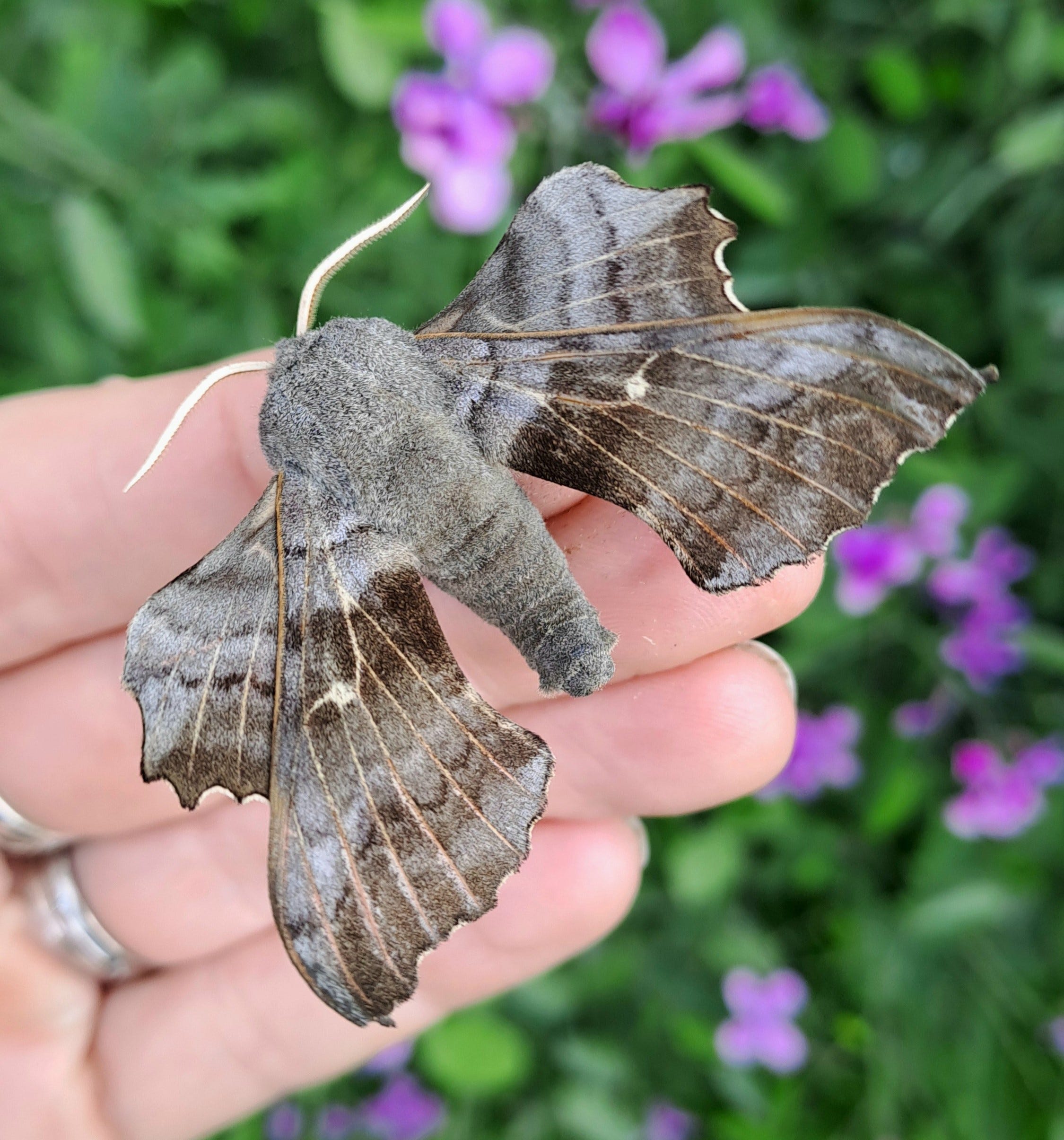
Moth of the Week: Poplar Hawkmoth (Laothoe populi)
Also known as “Square-Wings Grippy-Toes” by no-one other than me, this is the most common species of Hawkmoth I see in my garden. They have an unusual resting position with their hindwings further forward than their forewings, which gives them a square-ish shape. They also have very grippy toes: if one holds on to you, it can be hard to get it off again!
Poplar Hawkmoths have a wingspan of up to 9cm, making them one of the biggest moth species I regularly encounter. Caterpillars feed on poplar, aspen, and willow, while the adults don’t feed at all.
They are on the wing from May to July, and I was very excited to discover two of them in my trap earlier this week.
Posts here are always going to be available to read for free. However, if you like what I write and want to contribute financially without committing to a paid subscription, I’ve added a ko-fi button below if you would like to show your appreciation. Thank you to everyone who has already contributed! xx
https://birdsology.com/what-do-song-thrushes-eat-a-look-at-their-surprising-diet/
From Silent Earth (2021) by Dave Goulson, page 256.
From Retrosuburbia (2016) by David Holmgren, page 325.
Great article!
Indeed, the best strategy is to encourage wildlife...
(But I have to admit, after 25 years of gardening, and having created a large garden teeming with wildlife between the sterile lawns of the neighbours, we decided to fence our garden - much against my principles - because the deer from a nearby forest had discovered that our garden provided all kind of delicious things, much better than pine needles...)
Excellent. My evidenced backed recommendation to clients to not use wood raised beds is a hard sell. Aesthetics is the strongest impediment.
Wasps 100%. I encourage them by leaving some old meat hanging near by. When I ran my farm, getting stung once or twice a season was worth not losing thousands of dollars in green house crops or lose time economy dealing with aphids. Also, sweet alyssum with its hover flies make a huge difference.